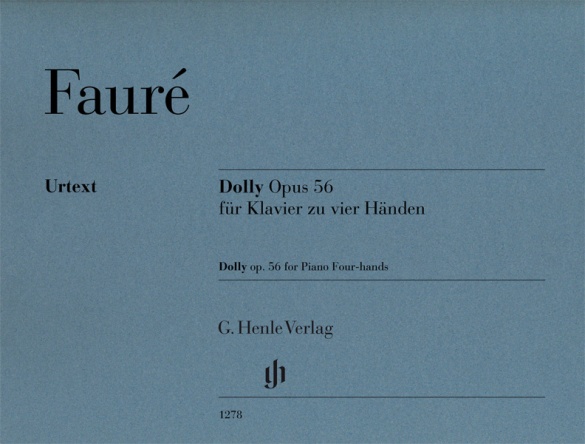
Gabriel Fauré
Dolly op. 56, for Piano Four-hands
この小さな組曲の6曲は、1893年から1896年の間に、友人の歌手の娘であるエレーヌ・バルダックに触発されて作曲されました。1892年に生まれたこの少女は、小柄で華奢な体つきから「ドリー」(人形)と呼ばれていました。主に誕生日や新年に作曲されたこれらの曲は、子守唄から陽気な舞踊曲まで、成長期の子供たちの体験の世界を反映しています。しかし、自身の楽曲や他者の楽曲への微妙な言及からもわかるように、この作品はそれほど深刻な意味合いを持つものではありませんでした。シンプルな基本構造にもかかわらず、すぐに人気を博したこれらの楽曲には、フランスの作曲家に典型的な、調和とリズムの洗練された技巧が数多く盛り込まれています。大人にもぴったりの「子供の音楽」です。
作曲家について
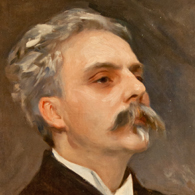
Gabriel Fauré
Representative exponent of French music around 1900. His creative work is centered around the art song, piano music (nocturnes, barcarolles, impromptus, valse-caprice), and chamber music – alongside other genres.
| 1845 | Born in Pamiers (Ariège) on May 12, the son of a primary school teacher. |
| 1854–65 | Attends the École de musique classique et religieuse (founded by L. Niedermeyer), where liturgical musicians were educated; lessons with Saint-Saëns (from 1861). |
| 1866–70 | Organist at the church of Saint-Sauveur in Rennes. |
| 1871 | After occupying various organist positions in Paris, he becomes assistant organist to Saint-Saëns at Saint-Sulpice. He numbers among the founding members of the Société nationale de musique. Performances of his works in their concerts. |
| 1874 | Premiere of his “Suite d’orchestre” in F major (“Symphony No. 1”), which is a compilation of existing pieces. |
| 1875/76 | Violin Sonata No. 1 in A major, Op. 13. |
| 1876–79 | Piano Quartet No. 1 in C minor, Op. 15 |
| 1877 | Maître de chapelle at Paris’s Église de la Madeleine. |
| 1876/78 | Premiere of his choral work “Les Djinns,” Op. 12. |
| from 1879 | Attends performances of Wagner’s music; in his own compositions he distances himself from Wagner. |
| 1885 | Premiere of his Symphony No. 2 in D minor, later destroyed. |
| 1887/88 | Requiem, Op. 48. |
| 1891 | “Cinq Mélodies ‘de Venise’,” Op. 58, on texts by Verlaine. |
| 1892–94 | “La bonne chanson,” Op. 61, on texts by Verlaine. |
| 1896 | Successor to Dubois at the Madeleine. He conducts a composition class at the Paris Conservatoire. |
| 1900 | Premiere of the tragédie lyrique “Prométhée,” Op. 82. |
| 1905–20 | Director of the Conservatoire. |
| 1909 | President of the Société musicale indépendante. |
| 1913 | Premiere in Monte Carlo of his opera “Pénélope.” |
| 1919 | Song cycle, “Mirages,” Op. 113, with clear features of his modernist late style. |
| 1924 | Death in Paris on November 4. |
校訂者や運指担当者について
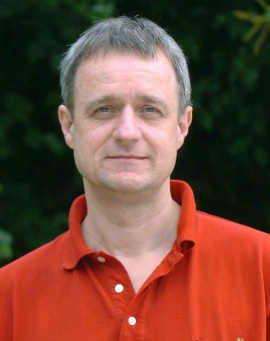
Andreas Groethuysen (ピアノの運指)
Prof. Andreas Groethuysen, born in 1956 in Munich, studied music with Ludwig Hoffmann in Munich and, on a scholarship from the “Studienstiftung des Deutschen Volkes”, with Peter Feuchtwanger in London.
After several years as a soloist, Groethuysen formed a piano duo with Yaara Tal, which has now become the focus of his artistic work. The duo regularly performs in many European countries, in Israel, China, North and South America. In exclusive cooperation with SONY CLASSICAL the internationally acclaimed piano duo has released a great many CDs – 28 to date – almost all of which have been awarded prizes.
製品の安全性と保証
Günter Henle Verlag e.K.
製品の製造元に関する情報はこちらでご覧いただけます。Günter Henle Verlag e.K.
Forstenrieder Allee 122
81476 München
info@henle.de
www.henle.com
おすすめ
autogenerated_cross_selling
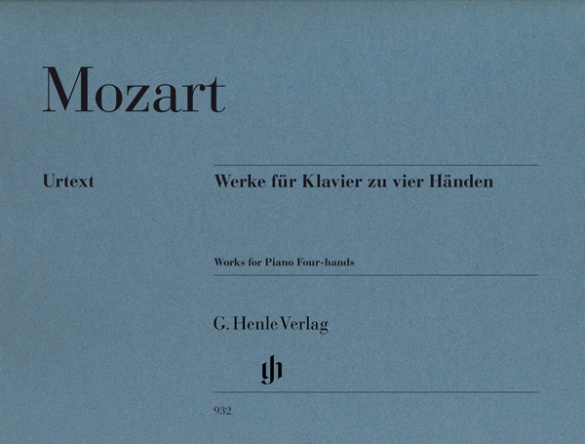
このタイトルを含む他の版

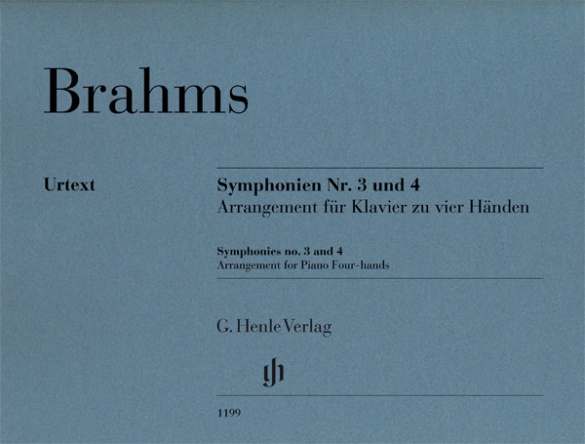
このタイトルを含む他の版