Johannes Brahms
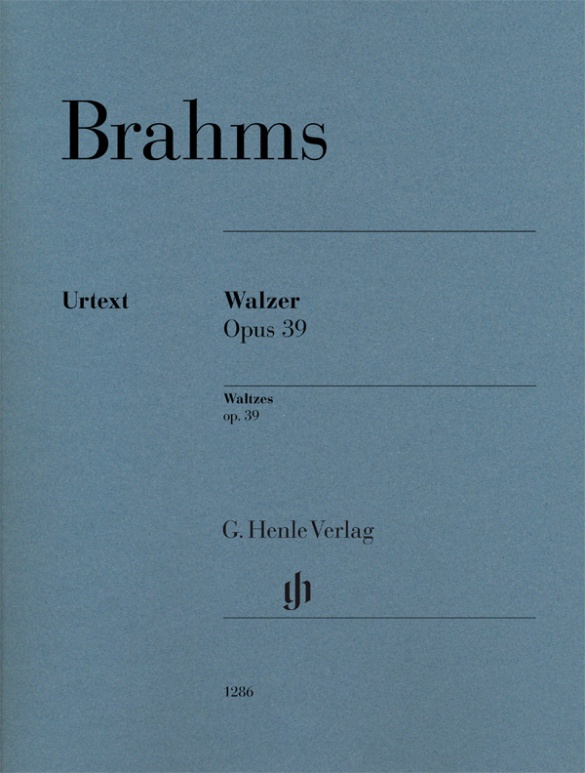
Waltzes op. 39
ブラームスの『ハンガリー舞曲』が華やかで躍動感あふれる技巧を駆使しているのに対し、16のワルツ Op. 39はより控えめで内向きな印象を与えます。しかし、その親しみやすさではハンガリー舞曲に決して劣っていません。優しく揺れる第 14 番は、ブラームスの作品の中でも最も有名なメロディーのひとつです。発行者はこの曲集の成功を予見していたようで、1866年に4手用のオリジナル版が発行された直後、ブラームスに2手用のピアノソロ版も依頼しました。今回、新しいブラームス全集の音楽テクストに基づいた改訂版を発行いたします。
作曲家について
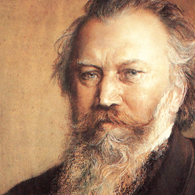
Johannes Brahms
His significant output comprises chamber music, piano works, numerous choral compositions and songs (including settings of folk-song lyrics), as well as large-scale orchestral works in the 1870s and 1880s. His compositions are characterized by the process of developing variation. He is considered an antithesis to the New German School around Liszt, and an advocate of “absolute” music.
| 1833 | Born in Hamburg on May 7, the son of a musician. His first piano instruction with Willibald Cossel at age seven, then with Eduard Marxen; first public performances from 1843. |
| 1853 | Concert tour through German cities; he meets Schumann, who announces him as the next great composer in his essay “Neue Bahnen” (“New Paths”). A lifelong, intimate friendship develops with Clara Schumann. |
| 1854–57 | Piano Concerto No. 1 in D minor, Op. 15. |
| 1857–59 | Choir director, pianist, and teacher at the royal court in Detmold. |
| 1859–61 | Director of the Hamburg Women’s Choir. |
| 1860 | Manifesto against the New Germans around Liszt. |
| 1863 | Cantata “Rinaldo,” Op. 50. |
| 1863–64 | Director of the Wiener Singakademie. |
| 1868 | Partial performance in Vienna of “A German Requiem,” Op. 45 (the complete work premiered in Leipzig in 1869) |
| 1871–74 | Artistic director of the Gesellschaft der Musikfreunde (Society of Friends of Music) in Vienna. |
| 1873 | Haydn Variations, Op. 56a, for orchestra. |
| from 1877 | His symphonic output begins with the Symphony No. 1 in C minor, Op. 68 (begun 1862); composition of the Symphony No. 2 in D major, Op. 73; the Symphony No. 3 in F major, Op. 90 (1883); and Symphony No. 4 in E minor, Op. 98 (1884–85): cantabile themes, chamber-music-like style. |
| from 1878 | Travels in Italy. |
| 1878 | Violin Concerto in D major, Op. 77, for Joseph Joachim. |
| 1881 | Piano Concerto No. 2 in B-flat major, Op. 83, with a scherzo movement. |
| 1886 | Honorary president of Vienna’s Tonkünstlerverein (Association of Musicians). |
| 1897 | Four Serious Songs, Op. 121. Dies in Vienna on April 3. |
校訂者や運指担当者について
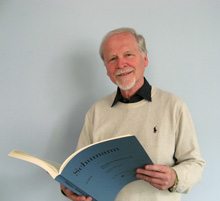
Rolf Koenen (ピアノの運指)
As a pupil, Prof. Rolf Koenen, born in 1946 in Duisburg, had already had contact with Ewald Zimmermann, the first editor at the young publishing house. He studied the piano at the Folkwangschule in Essen with Detlef Kraus, with Ludwig Hoffmann in Munich and with Maria Tipo in Florence.
He gave concerts in a permanent duo partnership with Hansjörg Schellenberger, who was later to become the solo oboe player with the Berlin Philharmonic, and made several recordings with the Deutsche Grammophon-Gesellschaft, with Denon and Sony. Other chamber music partners included András Adorján, Stefan Dohr, Wolfgang Schulz, Claes H. Ahnsjö. Following a teaching position in Munich, Rolf Koenen was appointed as a professor at the Berlin University of the Arts in 1982.
製品の安全性と保証
G. Henle Verlag
製品の製造元に関する情報はこちらでご覧いただけます。G. Henle Verlag
Forstenrieder Allee 122
81476 München
info@henle.de
www.henle.com
おすすめ
autogenerated_cross_selling
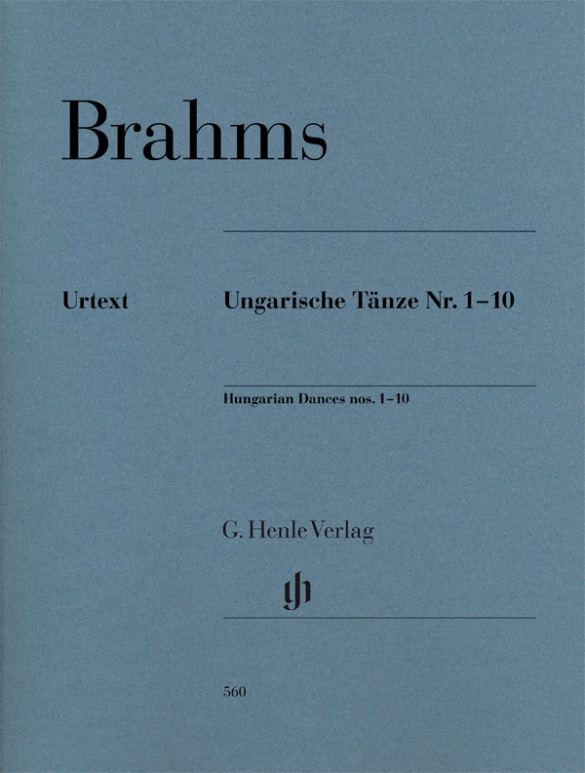
このタイトルを含む他の版

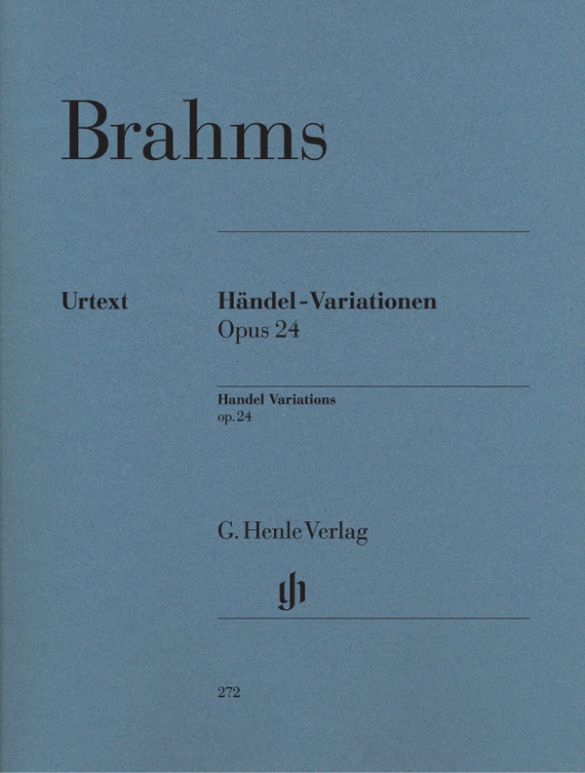
このタイトルを含む他の版